Eyelid Conditions
Entropion (Inward-Turning Eyelid)
Entropion is a condition in which the eyelid turns inwards, so that the eyelashes rub against the surface of the eye. It can be persistently uncomfortable and, if left untreated, can harm the eye surface.
Because the lashes can scratch the front of the eye, treating entropion protects the eye surface as well as relieving discomfort.
Dr Hannah Timlin is a consultant ophthalmic and oculoplastic surgeon with specialist expertise in eyelid surgery and eyelid malposition. She assesses and treats entropion, returning the eyelid to its natural position and relieving the rubbing of the lashes.
Consultant at Moorfields Eye Hospital · GMC 6134773 · Surgery performed personally by Dr Timlin

At a glance
A quick summary of what entropion is, how it is treated and what to expect.
What is entropion?
Entropion is a condition in which the eyelid, most often the lower eyelid, turns inwards towards the eye. As a result, the eyelashes and eyelid skin rub against the surface of the eye with every blink.
This constant rubbing can cause irritation, redness, watering and a feeling of something in the eye. Because the lashes are in contact with the front of the eye, the cornea, entropion can, over time, damage the eye surface, so it is worth treating rather than enduring.
Entropion is usually straightforward to diagnose and, in most cases, can be corrected effectively with eyelid surgery.
Symptoms and causes
The main problem in entropion is that the eyelashes turn inwards and rub on the eye. This typically causes irritation, a gritty or foreign-body sensation, redness, watering and sensitivity to light. Some people find their symptoms come and go before becoming more constant.
The most common cause is age-related change, where the tissues that hold the eyelid in position become lax or imbalanced. Entropion can also be caused by scarring of the inner surface of the eyelid, which pulls the lid inwards, and occasionally by spasm of the muscles around the eye.
Because the lashes can scratch the cornea, persistent entropion should be assessed promptly to protect the eye.
Specialist eyelid expertise
Eyelid malposition surgery, which includes entropion and ectropion, is a core part of Dr Timlin's work as a consultant oculoplastic surgeon, and these conditions sit naturally within her broader practice.
Her experience spans blepharoplasty, ptosis (droopy eyelid) surgery, tear duct surgery, eyelid malposition surgery and periocular reconstruction, as well as eyelid skin cancer assessment and treatment. This rounded background means the eyelid and the eye surface are considered together.
The aim of treatment is not only to correct the position of the eyelid, but to do so in a way that is comfortable, durable and protects the eye.
Treating entropion
Entropion is usually treated with eyelid surgery to return the eyelid to its natural position. The procedure is tailored to the cause, and the aim is to stop the lashes rubbing and protect the eye.
Eyelid repositioning surgery
Where entropion is due to age-related changes, the eyelid is repositioned and tightened through a small, carefully planned procedure, usually under local anaesthetic as a day case. This is the most common and effective treatment.
Correcting scarring
If entropion is caused by scarring of the inner surface of the eyelid, treatment is directed at that scarring and may be more involved. The approach is planned according to the underlying cause.
Temporary measures
While waiting for surgery, or where surgery is not immediately suitable, temporary measures such as lubricating drops, taping or a temporary stitch can help reduce the rubbing and protect the eye surface.
Protecting the eye
Because the lashes can affect the cornea, keeping the eye lubricated and protected is an important part of care until the eyelid is corrected.
Is treatment right for me?
Most people with entropion benefit from treatment, because the rubbing of the lashes is both uncomfortable and potentially harmful to the eye. Surgery is usually recommended once the diagnosis is clear.
The timing and type of treatment are tailored to you. Temporary measures can relieve symptoms in the short term, but surgery is usually needed to correct the eyelid position properly.
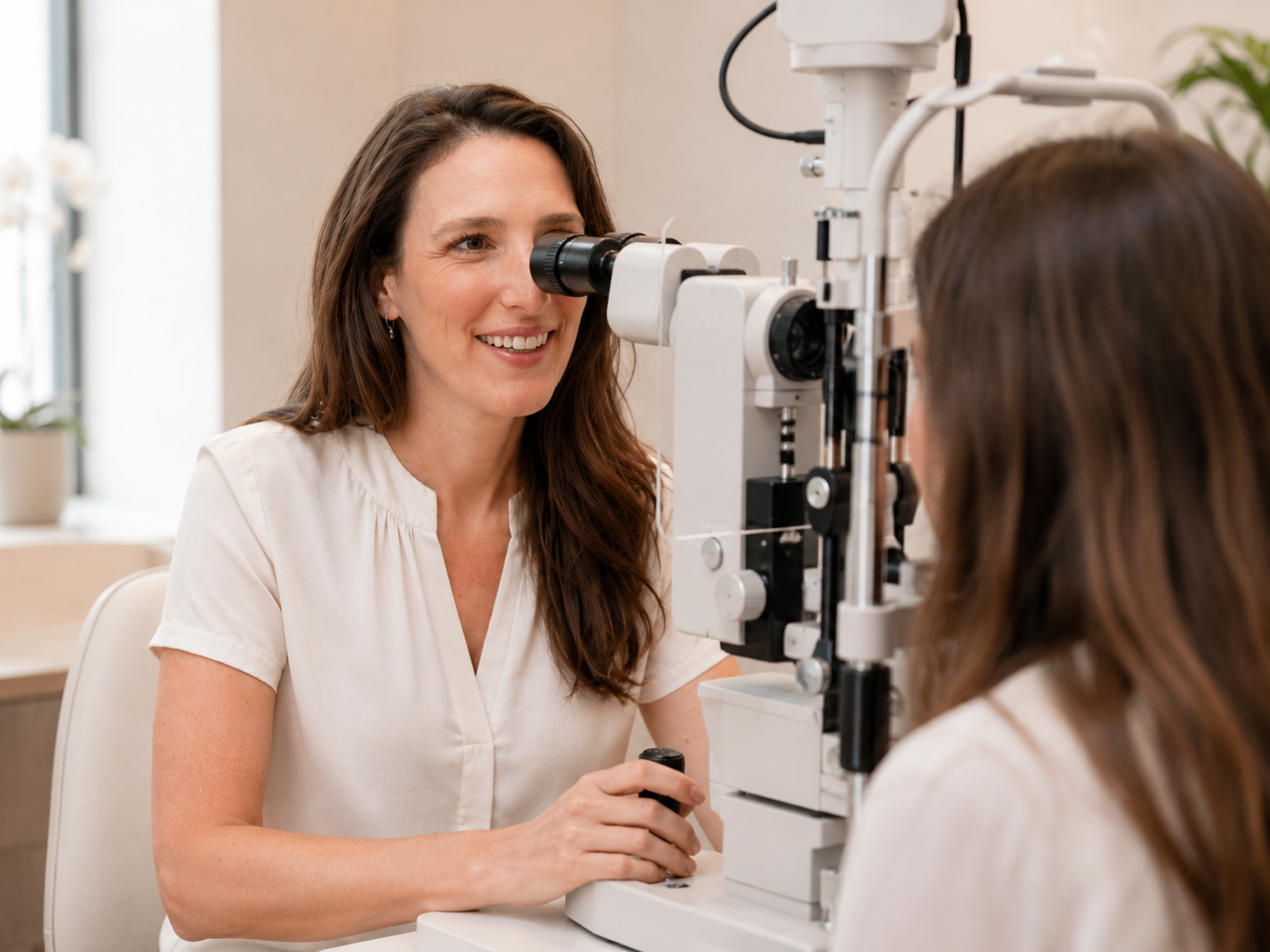
During your consultation, Dr Timlin will examine the eyelid and the eye surface, establish the cause, and advise on whether surgery is likely to help and what it would involve.
Lashes rubbing against the eye should not be left untreated. A consultation will give you a clear plan, with no pressure to proceed.
Book a ConsultationYour consultation
Your consultation begins with a discussion of your symptoms, including irritation, watering or the feeling of lashes rubbing, and how long they have been present.
Dr Timlin will examine your eyelids, their position and the surface of your eye, and identify the cause of the entropion. This determines the most effective treatment.
She will then explain the options, including the likely benefits, limitations, risks, recovery and fees, so you can decide whether to proceed.

Recovery
Surgery for entropion is usually a day-case procedure under local anaesthetic. It is common to have some bruising, swelling and mild discomfort around the eyelid for a week or two, which settles steadily.
Stitches are either removed at a short follow-up appointment or dissolve over time, and many patients return to desk-based work within around one to two weeks.
You will be given clear aftercare advice on cleaning the area, using any drops or ointment, and what to expect as you heal.
Risks and realistic expectations
Surgery for entropion is generally effective and well tolerated, and most patients have good and lasting relief from the rubbing of the lashes. As with any surgery, results cannot be guaranteed.
Possible effects include bruising, swelling, a small scar, temporary watering, and, in a minority of cases, under-correction or over-correction that may need adjustment. Entropion can occasionally recur over time.
Dr Timlin will explain what surgery can realistically achieve in your case and which risks are most relevant to you, so that you know what to expect.
Fees and insurance
Treatment of entropion is usually functional rather than cosmetic, because it protects the eye surface and relieves a physical problem. For this reason it is often eligible for cover by private medical insurance, subject to your policy and your insurer's criteria.
Self-pay treatment is also available. Fees depend on the procedure required, the cause of the entropion, the type of anaesthetic used and hospital fees.
After your consultation, you will receive a personalised plan and quotation explaining the recommended treatment, the expected costs and what is included.
Entropion surgery is usually functional and often covered by private medical insurance. Fee guidance is available when you book.
Book a ConsultationEntropion FAQs
The most common cause is age-related change in the eyelid tissues. Entropion can also be caused by scarring of the inner surface of the eyelid, and occasionally by spasm of the muscles around the eye.
Because the eyelid turns inwards, the eyelashes rub against the surface of the eye, causing a gritty, sore or foreign-body sensation, redness and watering.
Yes. The constant rubbing of the lashes against the cornea can, over time, damage the eye surface, which is why persistent entropion is worth assessing and treating.
Temporary measures such as lubrication, taping or a temporary stitch can relieve symptoms in the short term. Surgery is usually needed to correct the eyelid position properly.
Entropion surgery is usually performed under local anaesthetic as a day case, although the approach is tailored to the individual.
Any scar is usually small and well placed, and generally fades to become discreet over time.
Most corrections are durable, but entropion can occasionally recur over time. Further treatment can be considered if it does.
Treatment of entropion is usually functional, so it is often eligible for cover by private medical insurance. Self-pay treatment is also available.
No referral is needed for self-pay consultations; you can book directly. If you hope to use private medical insurance, your insurer may require a referral and supporting information before approving cover.
Book a Consultation
If your eyelid is turning inwards and your lashes are rubbing against your eye, a specialist assessment can confirm the cause and the most effective treatment.
Dr Hannah Timlin will examine your eyelids and eye surface before advising on whether surgery is likely to help and what it would involve.
Reviewed by Dr Hannah Timlin, Consultant Ophthalmic and Oculoplastic Surgeon (GMC 6134773). For general information only, not medical advice.