Eyelid Conditions
Eyelid Skin Cancer
Being told that an eyelid lesion might be a skin cancer is understandably worrying. The reassuring reality is that most eyelid skin cancers are slow-growing and very treatable, particularly when they are diagnosed and treated early.
Because the eyelids are delicate and essential to protecting the eye, treatment aims not only to remove a cancer completely, but also to preserve how the eyelids work and look.
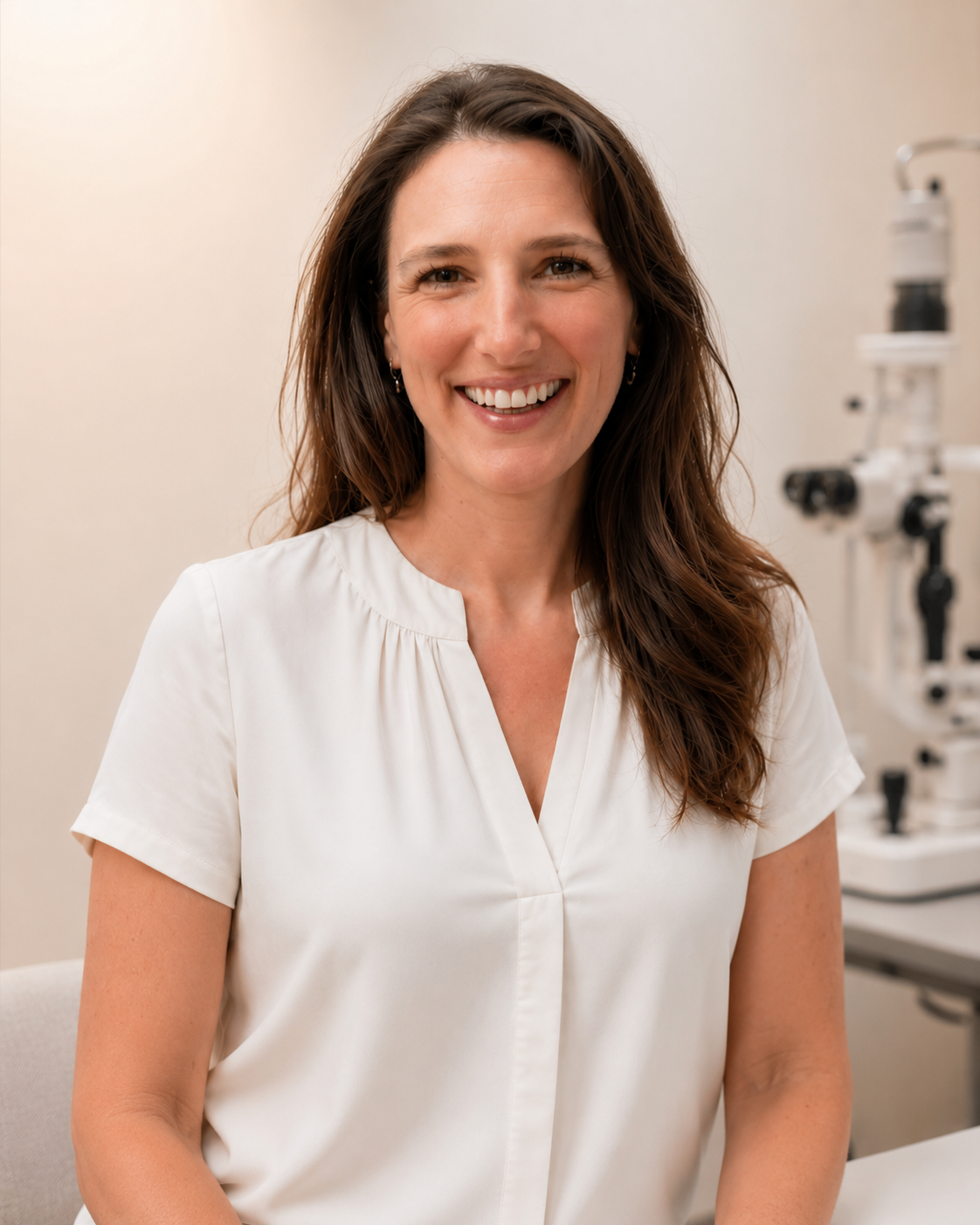
Dr Hannah Timlin is a consultant ophthalmic and oculoplastic surgeon with a clinical and research interest in eyelid lesion and skin cancer management. She assesses suspicious eyelid lesions, arranges diagnosis, and carries out surgery and eyelid reconstruction where treatment is needed.
Consultant at Moorfields Eye Hospital · GMC 6134773 · Surgery performed personally by Dr Timlin
At a glance
A quick summary of what eyelid skin cancer is, how it is treated and what to expect.
What is eyelid skin cancer?
Eyelid skin cancer is a cancer that develops in the skin of the eyelids or the surrounding area. The eyelids are a common site for skin cancers because the skin there is thin and exposed to sunlight over many years.
By far the most common type is basal cell carcinoma, which is usually slow-growing and very rarely spreads to other parts of the body. Less common types include squamous cell carcinoma and other rarer cancers, which is why an accurate diagnosis is important.
Most eyelid skin cancers are treatable, particularly when diagnosed early. The aim of treatment is to remove the cancer completely while protecting the eye and preserving the appearance and function of the eyelid.
Signs to look out for
Eyelid skin cancers can look quite ordinary in their early stages, which is why any persistent change is worth checking. Features that should be assessed include a lump or sore that does not heal, a flat or pearly patch, an area that bleeds or crusts repeatedly, distortion of the eyelid, or loss of eyelashes in one area.
These features do not always mean cancer, and many eyelid lumps are entirely benign. However, because early treatment is simpler and more effective, it is always sensible to have a persistent or changing eyelid lesion looked at.
If you have noticed a lesion like this, a specialist assessment can clarify what it is and what, if anything, needs to be done.
Specialist eyelid expertise
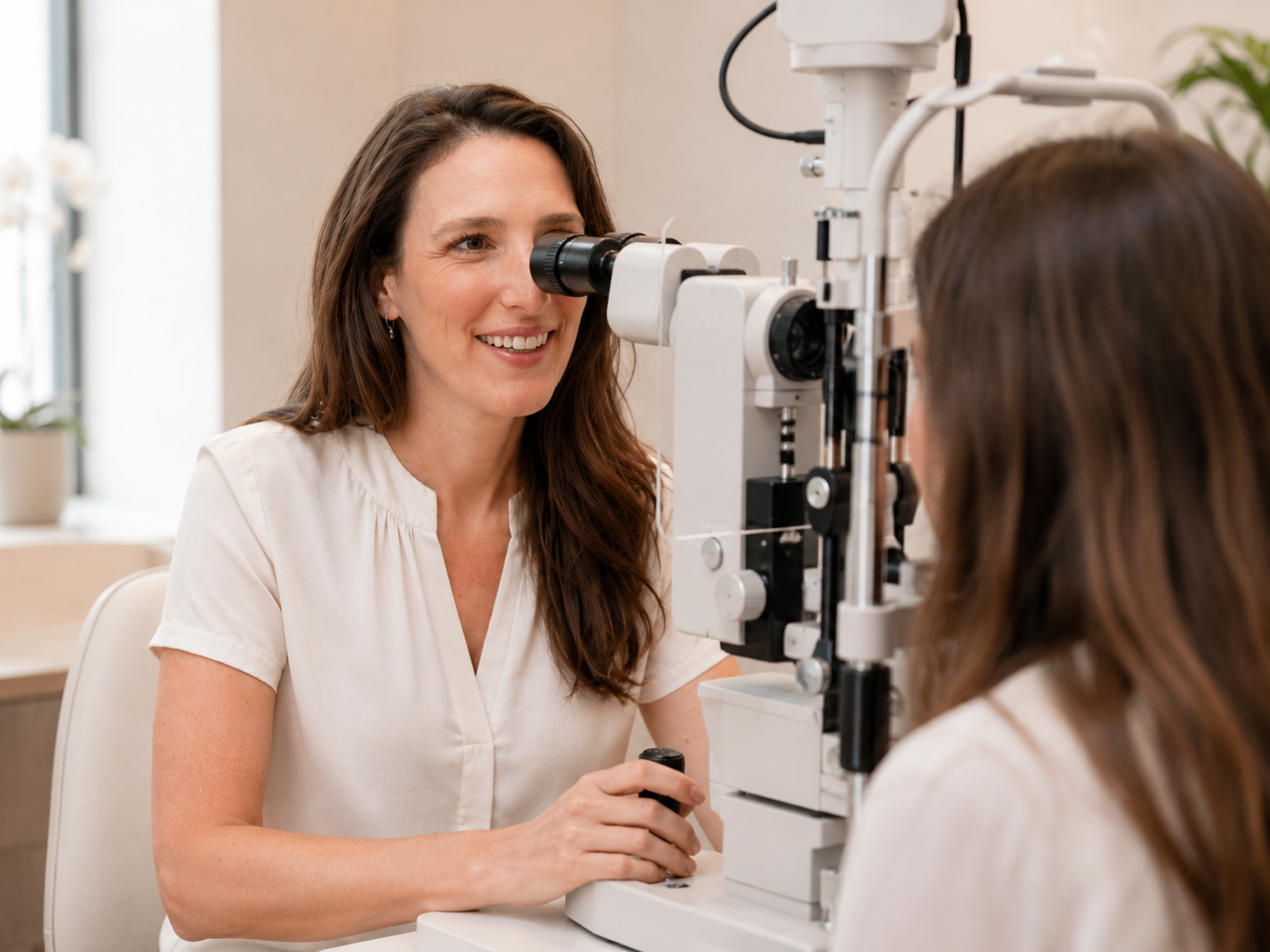
As a consultant oculoplastic surgeon, Dr Timlin is trained in both the removal of eyelid cancers and the reconstruction of the eyelid afterwards. This combination is important, because removing a cancer from the eyelid and rebuilding it well are closely linked.
She has a clinical and research interest in eyelid lesion and skin cancer management, and has been involved in work to improve how eyelid lesions are assessed and monitored. Her broader practice includes blepharoplasty, ptosis surgery, eyelid malposition surgery, tear duct surgery and periocular reconstruction.
Eyelid cancer care often involves working alongside other specialists, including pathologists and, where appropriate, surgeons who perform Mohs micrographic surgery, to give the best balance of complete removal and eyelid preservation.
Diagnosis and treatment
Treatment begins with confirming the diagnosis, and is then tailored to the type of cancer, its size and its position on the eyelid.
Diagnosis and biopsy
If a lesion looks suspicious, a small sample (a biopsy) may be taken so that it can be examined under the microscope. This confirms whether a lesion is a cancer and, if so, what type, which guides the most appropriate treatment.
Surgical removal
Most eyelid skin cancers are treated by surgically removing the affected area, along with a margin of surrounding tissue, to give the best chance of complete removal. In some cases this is done alongside Mohs micrographic surgery, a technique that checks the tissue as it is removed.
Eyelid reconstruction
Once a cancer has been removed, the eyelid usually needs to be reconstructed. As an oculoplastic surgeon, Dr Timlin reconstructs the eyelid with attention to how it protects the eye, how it moves and how it looks. The reconstruction is planned according to how much tissue has been removed and where.
Other treatments
Surgery is the main treatment for most eyelid skin cancers, but other options exist for selected cases, and these are discussed where relevant. The plan is always tailored to the individual.
A treatment plan tailored to you
Every eyelid skin cancer is different, and so is every treatment plan. The right approach depends on the type of cancer, its size and position, and your general health and preferences.
For most patients, the outlook is good, particularly when a cancer is found and treated early. It is important, though, to be realistic: treatment cannot be guaranteed to be straightforward in every case, and some cancers need more extensive surgery or further treatment.
Dr Timlin will explain what has been found, what treatment involves, and what to expect, clearly and without rushing, so that you can make decisions with a full understanding of your options.
Worried about an eyelid lesion? Early assessment gives the clearest answers and the most treatment options.
Book a ConsultationYour consultation
Your consultation begins with a discussion of the lesion, how long it has been present, whether it has changed, and your general health and any history of skin cancer.
Dr Timlin will examine the lesion and your eyelids carefully. She will explain whether a biopsy or removal is advisable, what the likely diagnosis is, and how treatment and reconstruction would be approached.
You will have time to ask questions and to understand the plan, including the likely benefits, limitations, risks, recovery and fees, before deciding how to proceed.

Recovery
Recovery depends on the size and position of the cancer and the reconstruction needed. After eyelid surgery it is common to have bruising, swelling and some discomfort for a week or two, which settles steadily.
Reconstructed eyelids continue to heal and settle over several weeks to months, and any scars usually fade with time. You will be given clear aftercare advice, and follow-up is arranged to check healing and to confirm that the cancer has been completely removed.
Because some people who have had one skin cancer can develop others, longer-term skin checks are often sensible, and this will be discussed.
Risks and realistic expectations
Surgery for eyelid skin cancer is generally effective, and most patients do well, but all surgery carries risk and outcomes cannot be guaranteed.
Possible effects include bruising, swelling, scarring, changes to the eyelid position or eyelashes, and, in some cases, the need for further surgery, for example if the laboratory analysis shows that more tissue needs to be removed. Occasionally a cancer can recur, which is why follow-up matters.
Dr Timlin will explain the likely outcome in your case, the balance between complete removal and eyelid preservation, and the risks most relevant to you, so that your expectations are realistic.
Fees and insurance
Assessment and treatment of eyelid skin cancer is medical rather than cosmetic, and is often eligible for cover by private medical insurance, subject to your policy and your insurer's criteria. Treatment is also available on a self-pay basis.
Fees depend on the diagnosis, the extent of surgery and reconstruction required, the type of anaesthetic and hospital fees, and whether laboratory analysis or input from other specialists is needed.
After your consultation, you will receive a personalised plan and quotation explaining the recommended treatment, the expected costs and what is included.
Eyelid skin cancer treatment is usually covered by private medical insurance. Fee guidance is available when you book.
Book a ConsultationEyelid skin cancer FAQs
Basal cell carcinoma is by far the most common eyelid skin cancer. It is usually slow-growing and very rarely spreads, and it is highly treatable, particularly when found early.
Most eyelid skin cancers are treatable, especially when diagnosed early. Some less common types need closer attention, which is why an accurate diagnosis is important.
Diagnosis is based on examination and, where a lesion looks suspicious, a biopsy, in which a small sample is examined under the microscope to confirm whether it is a cancer and what type.
Most eyelid skin cancers are treated by surgically removing the affected area, followed by reconstruction of the eyelid. In some cases this is done alongside Mohs micrographic surgery.
After a cancer is removed, the eyelid usually needs to be reconstructed. As an oculoplastic surgeon, Dr Timlin carries out both the removal and the reconstruction, with attention to function and appearance.
Some scarring is an inevitable part of surgery, but incisions are planned and closed with care to keep scars as discreet as possible, and they usually fade over time.
Most eyelid skin cancers are cured by complete removal, but occasionally a cancer can recur, and some people develop further skin cancers over time. This is why follow-up and skin checks are important.
A lump or sore that does not heal, a patch that bleeds or crusts, a lesion that is changing, or loss of eyelashes in one area should all be assessed.
Treatment of eyelid skin cancer is medical rather than cosmetic, so it is often eligible for cover by private medical insurance. Self-pay treatment is also available.
No referral is needed for self-pay consultations; you can book directly. If you hope to use private medical insurance, your insurer may require a referral and supporting information before approving cover.
Book a Consultation
If you have noticed an eyelid lesion that does not heal, that is changing, or that is causing concern, a specialist assessment can clarify what it is and what, if anything, needs to be done.
Dr Hannah Timlin will examine the lesion and your eyelids, and explain the options for diagnosis, treatment and reconstruction, clearly and without rushing.
Reviewed by Dr Hannah Timlin, Consultant Ophthalmic and Oculoplastic Surgeon (GMC 6134773). For general information only, not medical advice.