Eyelid Conditions
Eyelid Lumps, Cysts and Chalazia
Most eyelid lumps are benign and harmless, but they can be uncomfortable, persistent or simply a nuisance, and it is natural to want a clear diagnosis and, where appropriate, treatment.
Because the eyelid is delicate and close to the eye, accurate diagnosis and precise treatment matter. The first step is always to confirm what a lump is before deciding whether it needs treating.
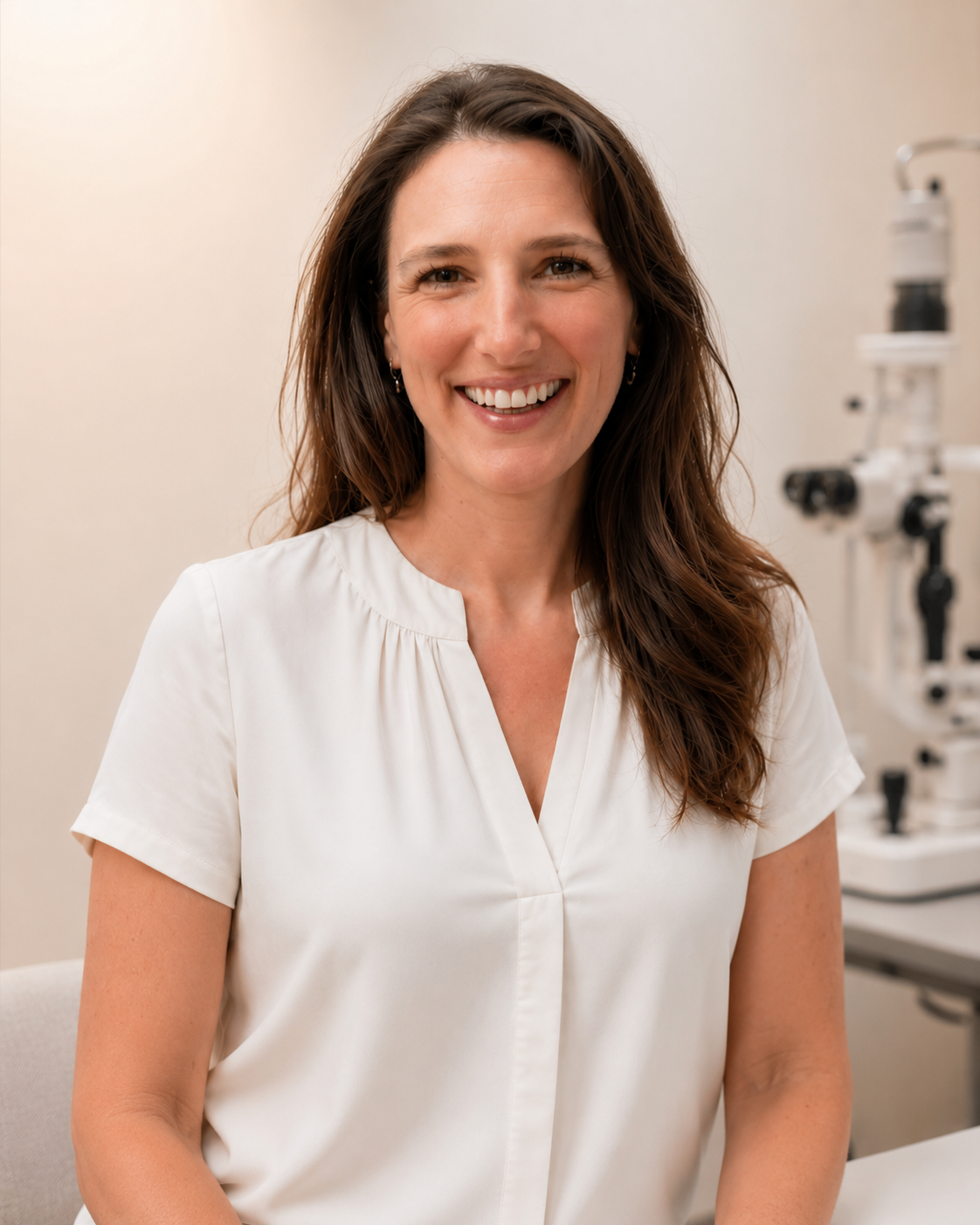
Dr Hannah Timlin is a consultant ophthalmic and oculoplastic surgeon who assesses and treats the full range of eyelid lumps, including chalazia, cysts and styes, with careful attention to both appearance and eyelid function.
Consultant at Moorfields Eye Hospital · GMC 6134773 · Surgery performed personally by Dr Timlin
At a glance
A quick summary of the common types of eyelid lump, how they are treated and what to expect.
What are eyelid lumps?
Eyelid lumps are common and, in the great majority of cases, benign. They can appear on the upper or lower eyelid, along the lash line or within the eyelid itself, and may be soft or firm, painless or tender.
The most common eyelid lump is a chalazion, a blocked and swollen oil gland within the eyelid. Cysts, styes and a range of other benign lesions are also common. Occasionally a lump can be something that needs more careful assessment, which is why diagnosis comes first.
A specialist assessment confirms what a lump is, whether it needs treating, and the most appropriate way to treat it.
Types of eyelid lump
Eyelid lumps come in several forms, and telling them apart guides treatment.
A chalazion is a firm, usually painless swelling caused by a blocked oil (meibomian) gland. It often follows a stye and can take weeks to settle. A stye is a tender, red, infected lump at the base of an eyelash, more like a small boil. Cysts are fluid-filled lumps that can develop on the eyelid skin or margin.
Other benign lumps include small skin growths, blocked glands and harmless lesions. Most are not dangerous, but a lump that grows, bleeds, ulcerates, distorts the eyelid or causes loss of eyelashes should always be assessed, as these features can occasionally suggest something that needs treatment. You can read more about eyelid skin cancer.
Specialist eyelid expertise
Eyelid surgery is central to Dr Timlin's work as a consultant oculoplastic surgeon. She treats eyelid lumps with the same care she brings to more complex eyelid and periocular surgery, mindful that the eyelids are delicate and that appearance matters.
Her broader practice includes blepharoplasty, ptosis (droopy eyelid) surgery, eyelid malposition surgery, tear duct surgery and periocular reconstruction, as well as the assessment and treatment of eyelid skin cancer. This rounded experience means that, if a lump turns out to need more than simple removal, you are already in specialist hands.
Where a lump is straightforward, the aim is simple, effective treatment with a discreet result. Where it needs closer attention, it is assessed thoroughly and managed appropriately.
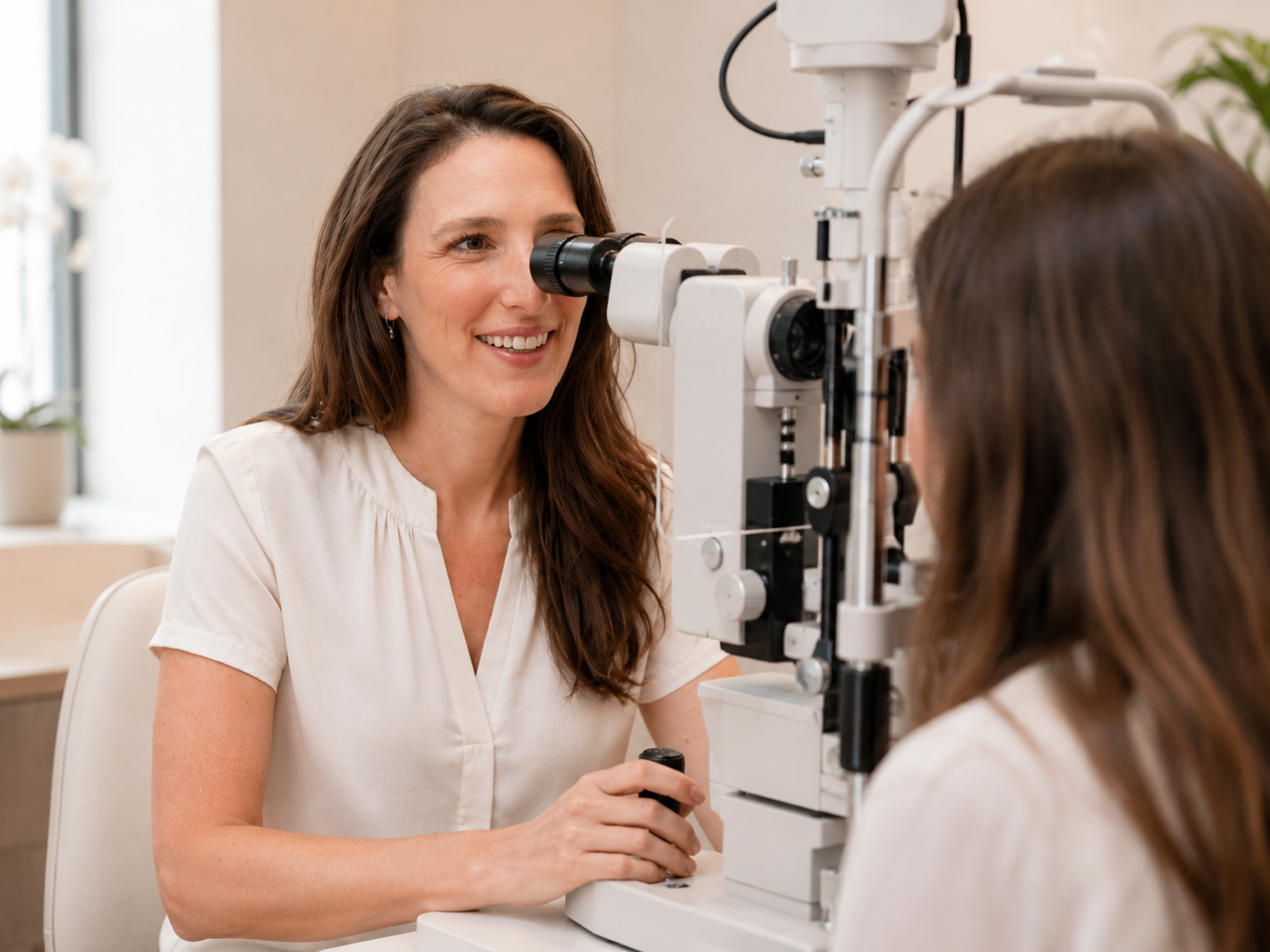
Treating eyelid lumps
Treatment depends entirely on what the lump is. Many lumps need no more than reassurance or simple measures, while others are best removed.
Conservative treatment
Many chalazia and minor lumps settle with simple measures such as warm compresses and lid hygiene over a few weeks. If a lump is harmless and not troublesome, it is often reasonable to leave it alone.
Incision and curettage of a chalazion
A persistent chalazion that does not settle can be treated with a minor procedure, usually under local anaesthetic, in which the eyelid is gently opened from the inside and the contents removed. In most cases this leaves no visible skin scar.
Removal of a cyst or lesion
Cysts and other eyelid lesions can be removed with a small, precise procedure. Where a lump is on the eyelid margin or skin, care is taken to remove it cleanly while preserving the natural shape and function of the eyelid.
Sending samples for analysis
If there is any doubt about the nature of a lump, or if it has unusual features, the removed tissue can be sent for laboratory analysis to confirm the diagnosis. This is a routine precaution that provides reassurance.
When should an eyelid lump be treated?
Not every eyelid lump needs treatment. Many are harmless and can simply be watched, particularly if they are small, settling or not causing problems.
Treatment is usually considered when a lump is persistent, uncomfortable, recurrent, affecting your vision or eyelid function, or causing concern about its appearance. It is also sensible to have a lump checked, and sometimes removed, if it has features that need to be confirmed.
During your consultation, Dr Timlin will advise whether a lump can safely be left alone, treated with simple measures, or removed, based on what it is and how it affects you.
Not sure what your eyelid lump is? A specialist assessment will give you a clear diagnosis, with no pressure to proceed.
Book a ConsultationYour consultation
Your consultation begins with a discussion of your concerns, how long the lump has been present, whether it has changed, and any previous lumps or treatment.
Dr Timlin will examine the eyelid and the lump closely, along with your eyelids and eye surface. In most cases a diagnosis can be made on examination. Where helpful, she will explain whether any further assessment or removal is advisable.
She will then talk through the options, including the likely benefits, limitations, risks, recovery and fees, so you can decide what is right for you.

Recovery
Recovery after minor eyelid surgery is usually quick. It is common to have some swelling, bruising or tenderness for a few days, which settles steadily.
After incision and curettage of a chalazion there is usually no visible skin scar. Where a lump is removed through the skin, any incision is placed and closed carefully to keep scarring as discreet as possible, and stitches, if used, are small.
You will be given clear aftercare advice on cleaning the area, any drops or ointment, and what to expect as it heals.
Risks and realistic expectations
Minor eyelid procedures are generally well tolerated and effective, but no procedure is entirely without risk, and outcomes cannot be guaranteed.
Possible effects include temporary swelling and bruising, a small chance of the lump recurring, and, where the skin is opened, a small scar. Chalazia in particular can sometimes return or appear elsewhere on the eyelids. Less commonly, a lump may need a further procedure.
Dr Timlin will explain what treatment can realistically achieve, the chance of recurrence, and which risks are relevant to you, so that you know what to expect.
Fees and insurance
Treatment of an eyelid lump may be functional or cosmetic depending on the lump and your reasons for treatment. Functional treatment, for example for a persistent or troublesome chalazion, is often eligible for cover by private medical insurance, subject to your policy. Treatment sought purely to improve appearance is usually self-funded.
Self-pay treatment is available either way. Fees depend on the procedure, the anaesthetic and whether laboratory analysis is required. As a guide, eyelid cyst (chalazion) removal typically ranges from £500 to £1,200. Full guide prices are published on the patient information page.
After your consultation, you will receive a personalised plan and quotation explaining the recommended treatment, the expected costs and what is included.
Treatment of eyelid lumps is sometimes covered by private medical insurance. Fee guidance is available when you book.
Book a ConsultationEyelid lumps and chalazia FAQs
A chalazion is a firm, usually painless lump caused by a blocked oil gland in the eyelid. Many settle with warm compresses over a few weeks, and a persistent one can be treated with a minor procedure.
A stye is a tender, red, infected lump at the base of an eyelash, rather like a small boil. A chalazion is usually firmer, deeper and painless, and often appears after a stye has settled.
Many eyelid lumps, particularly chalazia, settle with simple measures such as warm compresses and lid hygiene. Lumps that persist, recur or cause problems can be treated.
The great majority of eyelid lumps are benign. However, a lump that grows, bleeds, ulcerates, distorts the eyelid or causes loss of eyelashes should always be assessed.
A persistent chalazion can be treated with a minor procedure under local anaesthetic, in which the eyelid is gently opened from the inside and the contents removed. This usually leaves no visible skin scar.
Incision and curettage of a chalazion usually leaves no skin scar, as it is done from inside the eyelid. Where a lump is removed through the skin, any incision is placed and closed carefully to keep scarring discreet.
Chalazia can sometimes recur or appear elsewhere on the eyelids. Good lid hygiene can help reduce this, and recurrent lumps can be treated again if needed.
Functional treatment, for example for a troublesome chalazion, is often eligible for cover by private medical insurance. Treatment sought purely to improve appearance is usually self-funded.
No referral is needed for self-pay consultations; you can book directly. If you hope to use private medical insurance, your insurer may require a referral and supporting information before approving cover.
Book a Consultation
If you have an eyelid lump that is persistent, uncomfortable, recurrent or simply a worry, a specialist assessment can confirm what it is and whether it needs treating.
Dr Hannah Timlin will examine the lump and your eyelids, and advise on the most appropriate approach, from simple measures to careful removal.
Reviewed by Dr Hannah Timlin, Consultant Ophthalmic and Oculoplastic Surgeon (GMC 6134773). For general information only, not medical advice.